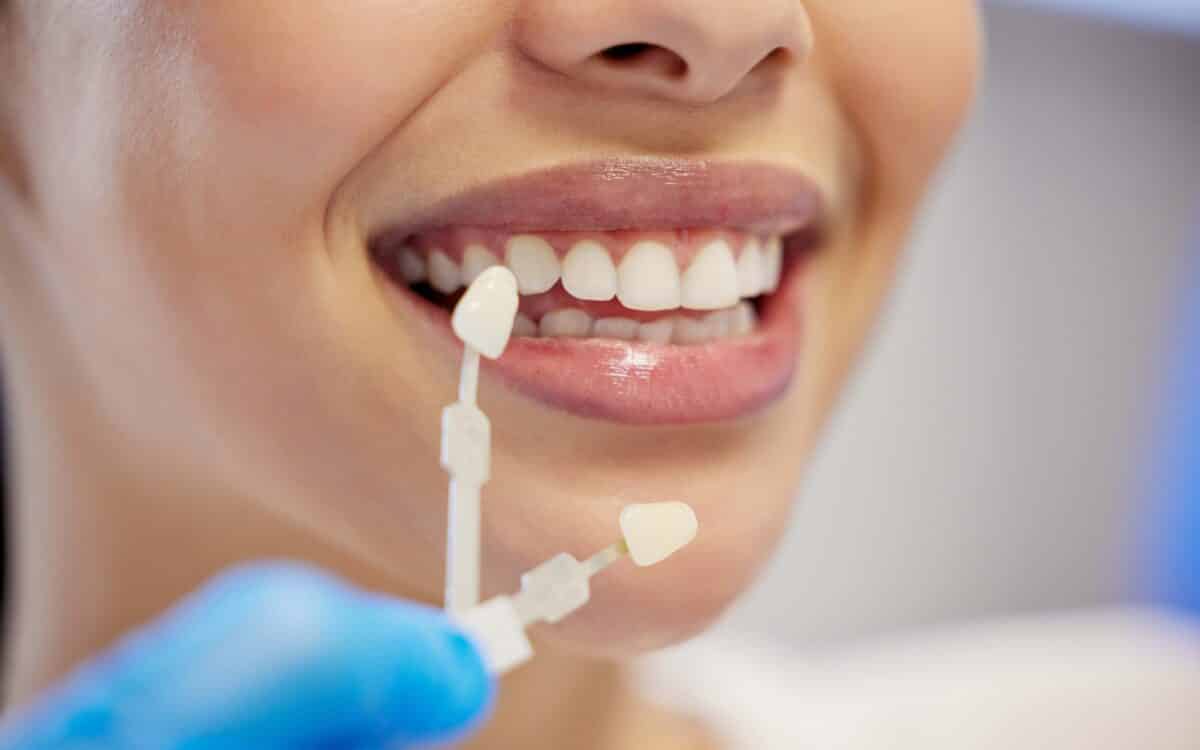
A full-service dental office provides a wide range of dental treatments in one convenient location. Instead of visiting multiple clinics for different procedures, patients can receive preventive, restorative, and cosmetic dental care from the same dental team. These practices focus on comprehensive dental care designed to maintain long-term oral health, allowing dentists to monitor a patient’s oral health history, identify patterns, and recommend personalized treatments based on consistent clinical evaluation.
Many patients prefer comprehensive dental care because it simplifies scheduling and ensures consistent care from a trusted provider. This continuity of care supports early diagnosis, reduces treatment gaps, and improves long-term outcomes by ensuring all treatments are aligned under one clinical plan.
Why Choose a Full-Service Dental Office in Oro Valley?
Many patients choose a full-service dental office because it offers convenience and continuity of care. Instead of visiting separate specialists, patients can receive most treatments in one place, reducing delays and improving coordination between preventive, cosmetic, and restorative procedures.
Key benefits include:
- Access to multiple dental services in one location
- Personalized treatment plans based on dental history
- Easier appointment scheduling
- Consistent care from the same dental team
- Preventive care that supports long-term oral health
Patients searching for a full service dental office Oro Valley residents trust often prioritize practices that combine modern dental technology with a complete range of services and consistent care delivery.
7 Must-Have Services From a Full-Service Dental Office
Understanding the essential services offered by a full-service dental office helps patients make informed decisions and avoid fragmented care.
1. Preventive Dental Exams and Cleanings
Preventive dentistry plays a major role in maintaining healthy teeth and gums. Routine exams allow dentists to detect early signs of cavities, gum disease, enamel wear, and infections before symptoms appear. Professional cleanings remove plaque and tartar buildup that daily brushing and flossing cannot eliminate.
Preventive services typically include exams, cleanings, digital X-rays, oral cancer screenings, and fluoride treatments. Regular visits reduce long-term dental costs and help avoid invasive procedures.
2. Restorative Dentistry for Damaged Teeth
Teeth can become damaged due to decay, injury, or wear. Restorative dentistry focuses on repairing teeth and restoring normal function.
Common treatments include fillings, crowns, bridges, and root canal therapy. These procedures help preserve natural teeth, maintain bite alignment, and prevent further structural damage.
3. Cosmetic Dentistry Services
Cosmetic dentistry improves the appearance of a patient’s smile while supporting dental health. Services often include teeth whitening, porcelain veneers, dental bonding, and smile makeover procedures.
These treatments correct discoloration, uneven spacing, and minor damage, improving both aesthetics and overall smile balance.
4. Dental Implants for Missing Teeth
Dental implants are a long-term solution for missing teeth. They function as artificial roots that support crowns or dentures and integrate with the jawbone.
Benefits include improved chewing ability, natural appearance, durability, and prevention of bone loss. Implants also help maintain facial structure over time.
5. Invisalign and Orthodontic Treatment
Invisalign uses clear aligners to gradually shift teeth into proper alignment. These aligners are removable and discreet, making them ideal for adults and teenagers.
Straight teeth improve oral hygiene, reduce plaque buildup, and prevent uneven wear, lowering the risk of future dental issues.
6. Emergency Dental Care
Dental emergencies require immediate attention. Common issues include severe tooth pain, broken teeth, lost restorations, and infections.
Prompt treatment reduces complications, prevents infection spread, and protects surrounding teeth and tissues.
7. Advanced Dental Technology
Modern dental offices use tools such as digital X-rays, 3D imaging, laser dentistry, and intraoral cameras.
These technologies improve diagnostic accuracy, allow earlier detection of issues, and support more efficient and minimally invasive treatment.
Comparison of Dental Services
| Type of Service | Primary Goal | Common Treatments | Long-Term Impact |
|---|---|---|---|
| Preventive Dentistry | Prevent disease before it starts | Exams, cleanings, fluoride | Lower risk of decay and gum disease |
| Restorative Dentistry | Repair damage and restore function | Fillings, crowns, root canals | Preserves natural teeth |
| Cosmetic Dentistry | Improve appearance of the smile | Whitening, veneers, bonding | Boosts confidence and aesthetics |
| Orthodontic Care | Correct alignment and bite issues | Invisalign, clear aligners | Improves function and hygiene |
| Emergency Dentistry | Address urgent dental problems | Pain relief, repairs | Prevents complications |
How a Full-Service Dental Office Supports Long-Term Oral Health
Comprehensive dental care focuses on both prevention and treatment. Regular checkups allow dentists to identify issues such as tooth decay, gum disease, and enamel damage before they progress into more serious conditions.
Why this matters clinically:
- Early-stage treatment is less invasive and more cost-effective
- Ongoing monitoring improves treatment accuracy
- Preventive care reduces the likelihood of tooth loss
Benefits include early detection, personalized treatment planning, improved oral hygiene habits, reduced need for extensive procedures, and better long-term dental health.
How Dentists Develop Comprehensive Treatment Plans
A key advantage of a full-service dental office is the ability to create a structured and clinically informed treatment plan based on a patient’s complete oral health profile. Instead of addressing issues one at a time, dentists evaluate the relationship between teeth, gums, bite alignment, and overall oral function before recommending treatment.
Comprehensive treatment planning typically follows a step-by-step approach:
- Assessment and diagnosis: Reviewing dental history, digital X-rays, and current oral conditions
- Prioritization of care: Addressing urgent issues such as infections or pain first
- Stabilization phase: Treating decay, gum disease, or structural damage
- Restorative and cosmetic planning: Improving function and appearance after oral health is stabilized
- Maintenance strategy: Scheduling follow-ups and preventive care to maintain results
This process ensures that treatments are not only effective but also long-lasting. For example, placing a crown without addressing underlying gum disease may lead to complications, which is why full-service dental offices focus on sequencing treatments correctly.
By combining preventive, restorative, and cosmetic care into one coordinated plan, dentists can reduce risks, improve outcomes, and provide care that supports both function and aesthetics over time.
What to Look for When Choosing a Dental Office in Oro Valley
Selecting the right dental office is an important step toward maintaining oral health. Consider:
- Dentist’s experience and qualifications
- Range of services offered
- Use of modern dental technology
- Office comfort and patient care
- Positive patient reviews
A high-quality provider should also demonstrate consistent diagnosis, clear communication, and a preventive-first approach to care.
How to Know If You Need Immediate vs Routine Care
| Symptom | Type of Visit Needed | Reason |
|---|---|---|
| Mild sensitivity | Routine visit | Early evaluation prevents progression |
| Bleeding gums | Routine (urgent if severe) | Possible gum disease |
| Severe tooth pain | Emergency | Possible infection or nerve damage |
| Broken or chipped tooth | Emergency | Risk of further damage |
| Bad breath that persists | Routine | May indicate underlying condition |
When Should You Schedule a Dental Appointment?
Many dental problems develop without noticeable symptoms. You should schedule a visit if you experience tooth sensitivity, bleeding gums, persistent bad breath, difficulty chewing, or visible discoloration.
Routine checkups every six months are recommended to maintain oral health and detect issues early.
Comprehensive Dental Care at Smith Dentalworks
Patients looking for comprehensive dental care in Oro Valley can turn to Smith Dentalworks. Led by Dr. Atty Smith, the practice offers preventive care, cosmetic dentistry, restorative treatments, and modern dental technology.
This approach ensures personalized care, consistent diagnosis, and effective long-term treatment planning. Patients receive coordinated care in one location, improving both convenience and outcomes.
Frequently Asked Questions
What services should a full-service dental office provide?
Preventive, restorative, cosmetic, orthodontic, and emergency care.
How often should you visit a dental office?
Every six months for routine exams and cleanings.
What is the difference between preventive and restorative dentistry?
Preventive care avoids problems; restorative care repairs damage.
Are cosmetic dental treatments necessary?
They are optional but improve appearance and confidence.
What makes a dental office full-service?
Providing a wide range of treatments in one location with coordinated care.