

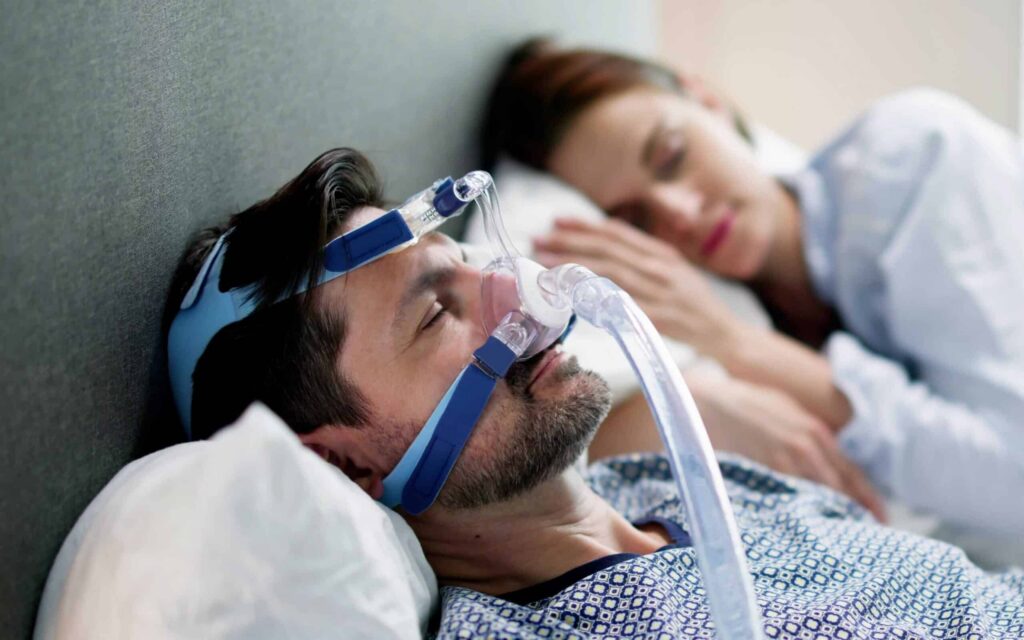
Sleep apnea is often discussed as a medical or sleep disorder, but its impact on oral health is frequently overlooked. Many patients are surprised to learn that untreated sleep apnea can quietly damage teeth, gums, and jaw health over time. Understanding these hidden dental risks is essential because early intervention can protect both your smile and your overall well-being.
This guide explains how sleep apnea affects oral health, the warning signs dentists often see first, and what treatment options can help reduce long-term damage.
What is sleep apnea, and how does it affect your mouth?
Sleep apnea is a condition where breathing repeatedly stops and starts during sleep, often due to airway obstruction. When airflow is interrupted, the body compensates by gasping or shifting position, which places stress on the jaw, tongue, and oral structures.
From a dental perspective, sleep apnea commonly leads to mouth breathing, reduced saliva flow, and jaw strain. Over time, these changes create an environment where tooth decay, gum disease, and jaw disorders are more likely to develop.
How can sleep apnea damage your teeth and gums?
Sleep apnea affects oral health in several ways, often without obvious symptoms at first.
Mouth breathing during sleep dries out oral tissues and reduces saliva, which normally helps neutralize acids and wash away bacteria. This dry environment increases the risk of cavities and enamel erosion.
Low oxygen levels and chronic inflammation associated with sleep apnea can weaken gum tissue. Patients with untreated sleep apnea are more likely to develop periodontal disease and experience faster progression once it starts.
Teeth grinding, also known as bruxism, is common in people with sleep apnea. Repeated jaw clenching during interrupted sleep can crack teeth, wear down enamel, and cause jaw pain.
Why does sleep apnea increase the risk of jaw pain and TMJ disorders?
Repeated airway obstruction causes the jaw to shift forward during sleep as the body tries to reopen the airway. This constant repositioning strains the jaw joints and surrounding muscles.
Over time, this strain can contribute to temporomandibular joint disorders, leading to symptoms such as jaw clicking, headaches, facial pain, and difficulty chewing. Dentists are often the first to notice signs of TMJ stress linked to sleep apnea.
What dental signs may indicate undiagnosed sleep apnea?
Dentists frequently detect early warning signs during routine exams. These may include worn or flattened teeth from grinding, scalloped edges along the tongue, inflamed gums despite good hygiene, or a narrow dental arch that limits airway space.
Patients may also report chronic dry mouth, morning headaches, jaw soreness, or unexplained tooth sensitivity. When these symptoms appear together, sleep apnea is often a contributing factor.
How can sleep apnea be treated through dental care?
Treatment depends on the severity of sleep apnea and the patient’s specific anatomy. For many mild to moderate cases, custom oral appliance therapy can be highly effective.
Dental sleep appliances gently reposition the jaw and tongue to keep the airway open during sleep. These devices reduce snoring, improve breathing, and help prevent teeth grinding and jaw strain.
In more complex cases, dentists work alongside sleep physicians to coordinate care, which may include CPAP therapy or additional medical evaluation. Early dental involvement helps prevent irreversible oral damage.
At Smith Dentalworks, dental evaluations focus not only on teeth and gums but also on how oral structures affect breathing, sleep quality, and long-term health.
Why early treatment matters for both dental and overall health
Untreated sleep apnea is linked to serious health conditions such as heart disease, high blood pressure, and diabetes. From a dental standpoint, delaying treatment increases the risk of tooth loss, chronic gum disease, and persistent jaw pain.
Addressing sleep apnea early protects your smile, improves sleep quality, and supports whole-body health. Dental professionals play a key role in recognizing symptoms before major complications develop.
Contact Us to Take the Next Step
If you or a loved one are experiencing symptoms such as chronic snoring, jaw discomfort, teeth grinding, or ongoing dry mouth, a dental evaluation can be an important first step. Identifying sleep-related breathing issues early helps prevent long-term oral damage and supports better overall health. To learn whether sleep apnea may be affecting your oral health, contact us to schedule a consultation and discuss personalized care options with a dental team focused on both comfort and long-term wellness.
Frequently Asked Questions
Can a dentist diagnose sleep apnea?
Dentists do not provide a medical diagnosis, but they can identify oral signs and refer patients for sleep testing when symptoms suggest sleep apnea.
Does sleep apnea always cause teeth grinding?
Not always, but bruxism is very common in patients with sleep apnea due to airway obstruction and stress responses during sleep.
Are dental sleep appliances comfortable?
Custom oral appliances are designed for long-term comfort and are typically easier to tolerate than bulky sleep equipment for mild to moderate cases.
Can treating sleep apnea improve gum health?
Yes. Improved breathing and oxygen levels can reduce inflammation, dry mouth, and bacterial growth that contribute to gum disease.
Is sleep apnea treatment covered by insurance?
Coverage varies by plan. Dental offices often help coordinate documentation with sleep physicians to support insurance claims.